
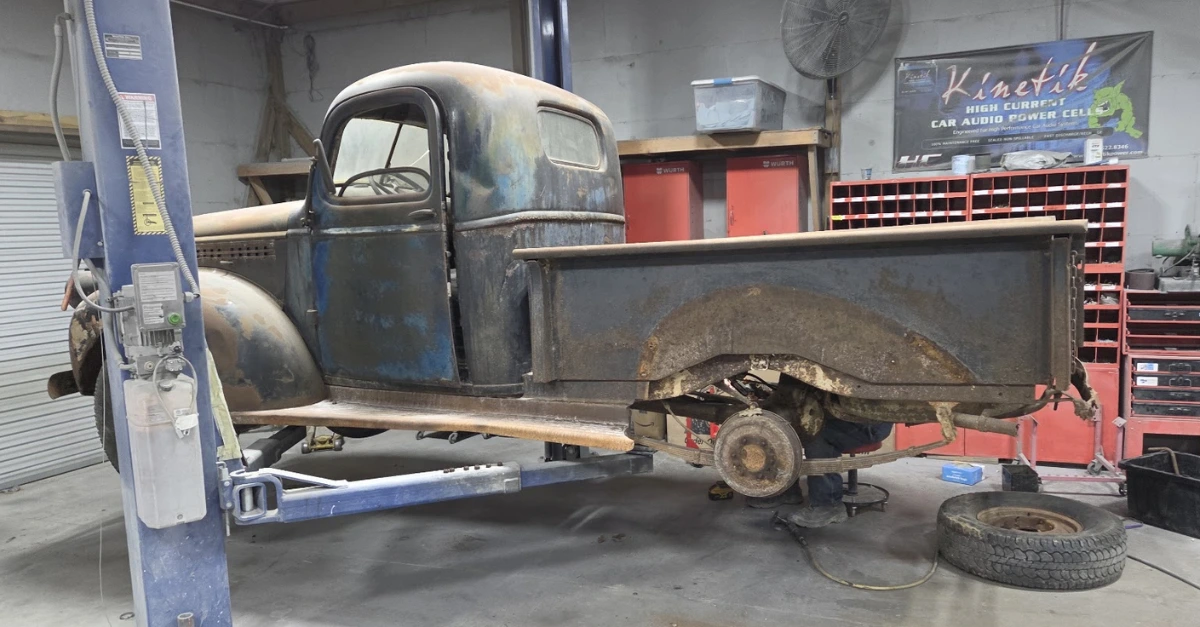
The last drive before winter is a good time to give your classic a closer look before the cover goes on. While you’re wiping down the paint and checking fluids, spend a few extra minutes on the lower quarters, rocker panels, and wheel wells. These are places where road grime and salty moisture can collect, well out of sight of that clean paint job.
Whether you have a weekend cruiser, a survivor with original paint, or a fresh restoration, keeping the metal solid is part of keeping the car on the road. At GB Customs, we approach bodywork with that in mind. Here’s where to look for corrosion, what the early signs can tell you, and when it’s time to look beyond the finish.
Why Road Salt Is Tough On Old Sheet Metal
Steel needs moisture and oxygen to rust, and dissolved road salt speeds up that process. Salt contamination can also keep corrosion active at lower humidity than clean metal would tolerate. Pulling into the garage gets the car out of the weather, but it doesn’t remove the salt already sitting in a wheel well or panel seam.
Older cars give that moisture plenty of possible entry points: a stone chip behind a tire, a split in aging seam sealer, or a worn patch of underbody coating. Decades of previous bodywork can add another unknown. A smooth quarter panel tells you how the paint looks; it doesn’t tell you what was repaired underneath.
Five Places To Check Before Putting Your Classic Away
Grab a flashlight and start with a clean, dry car. Photograph anything questionable so you can compare it later or show your shop. For a proper look underneath, have the car inspected on a lift. Never get beneath a car supported only by a jack.
1. Wheel lips and lower quarters
Take a close look behind the tires, along the wheel-opening lips, and where the wheel housing meets the outer panel. Packed dirt can hide damage here. Watch for chipped coatings, rusty streaks, or small bubbles along an edge. A bubble isn’t automatically rust, but it deserves a closer look before you treat it as a simple paint touch-up.
2. Rockers and door bottoms
Open the doors and look along their bottom edges, then inspect the rockers and the seams underneath. Swollen edges, cracked seam sealer, and rust staining from a joint are worth investigating. Check the factory drain openings, too. These are meant to let water escape; dirt or an added coating can plug them and leave moisture inside the panel.
3. Floor pans and the trunk
Lift the removable floor mats and trunk mat where you can do so without damaging the trim. Check the spare-tire well, floor edges, and low spots for dampness, rust staining, or loose flakes. A clean carpet can hide a wet floor underneath.
Also ask where the water came from. A leaking windshield seal, cowl, or trunk weatherstrip can contribute to corrosion even on a car that never sees winter roads. Finding and fixing that leak matters just as much as repairing the rusty floor.
4. Frame rails and suspension mounts
When the car is on a lift, have the frame or unibody rails, crossmembers, and body and suspension mounts checked. Heavy scaling, separating seams, holes, or thinning metal near a mount need professional assessment. Salt-related corrosion can weaken these parts, and a fresh coat of black undercoating doesn’t establish what’s underneath it.
5. Brake and fuel lines
Don’t let the bodywork take all your attention. Have the metal lines, fittings, and retaining clips checked during the underbody inspection. Heavily scaled or flaking brake lines need prompt attention. If you notice a fluid leak or a soft or spongy brake pedal, stop driving and arrange professional assessment. That’s a repair to address before the next cruise.
For Those Who Like The Patina Look:
There’s room in the hobby for a weathered Cadillac just as much as a freshly painted muscle car. You may want to keep the faded paint and aged finish that give your car its character. That look can develop naturally or be created deliberately, and a photo alone won’t tell you which.
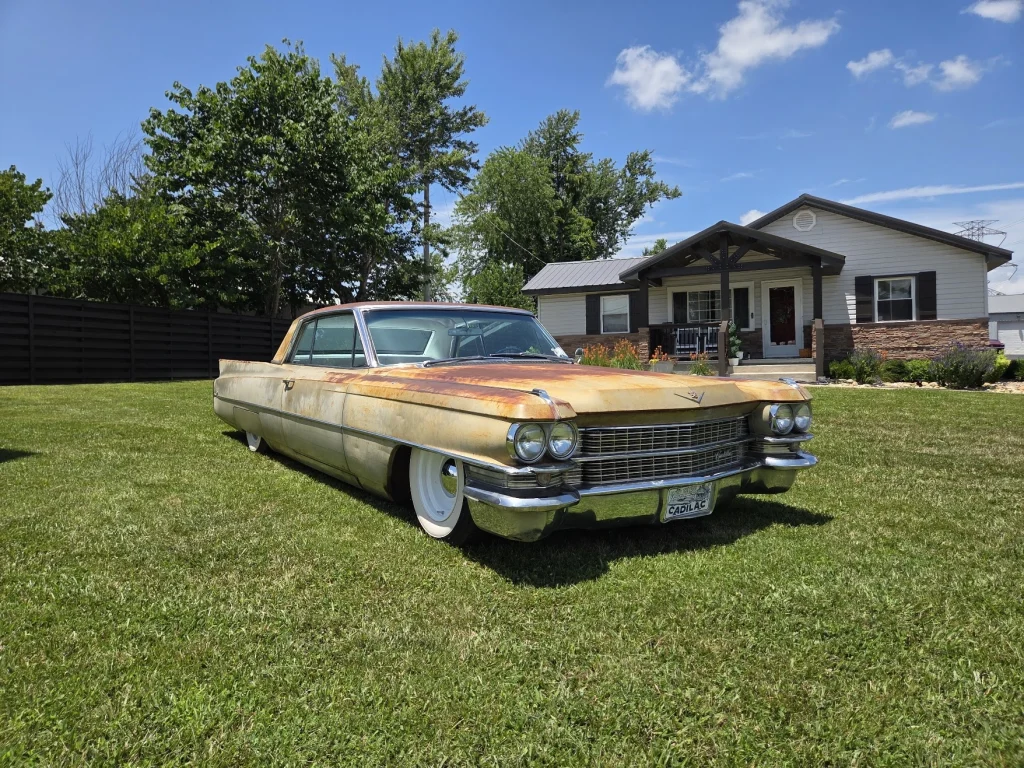
The important question is how much sound metal remains.
A thin, firmly attached layer of surface rust is different from rust that’s flaking away, lifting paint, or eating through a panel. Even a small visible spot can justify checking the back of the panel and nearby seams. Keeping the patina still means keeping the structure and mechanical components sound.
Keep Salt Out Of Your Winter Storage Routine
Keeping your classic off salted roads reduces exposure. If you do take it out, give the underside as much attention as the paint before it goes back into the garage.
Wash beyond the body panels. Rinse salt and dirt from the underbody and wheel housings with fresh water. Give packed grime enough attention to remove it; getting a dirty wheel well wet isn’t the same as getting it clean.
Let it dry before the cover goes on. Avoid covering a wet car, keep drain openings clear, and sort out leaks that leave the floor or trunk damp.
Use protection suited to the finish. A compatible wax or sealant can help protect sound paint, but it won’t repair rust or reach every hidden cavity. Check compatibility before applying anything to patina or a specialty finish.
Check the metal before adding undercoating. Have loose coatings, rust, and questionable repairs evaluated first. Spraying over them can make the problem harder to spot next time.
Fix The Metal Before You Refinish It
If you find rust, find out how far it goes before planning the paintwork. Depending on the damage, that can mean stripping the affected area, checking adjoining seams, and repairing or replacing weakened metal. Primer and paint belong over properly prepared material. They cannot replace steel that has already been lost.
At GB Customs, this is why we require a bare-metal start for paintwork we guarantee. We need to see what we’re working with, including corrosion and previous repairs, before we can stand behind the finish. Our restoration, metal fabrication, and paintwork all depend on getting that foundation right.
If your winter plans include dealing with bubbling paint, tired bodywork, or a restoration you’ve been putting off, contact GB Customs in Corbin, Kentucky. We can discuss the work your classic needs and help you plan the next step toward getting it back on the road.